Bilingualism
In an increasingly connected world, bilingualism opens a door to limitless opportunities. Combined with the Montessori method, it creates a powerful educational experience.
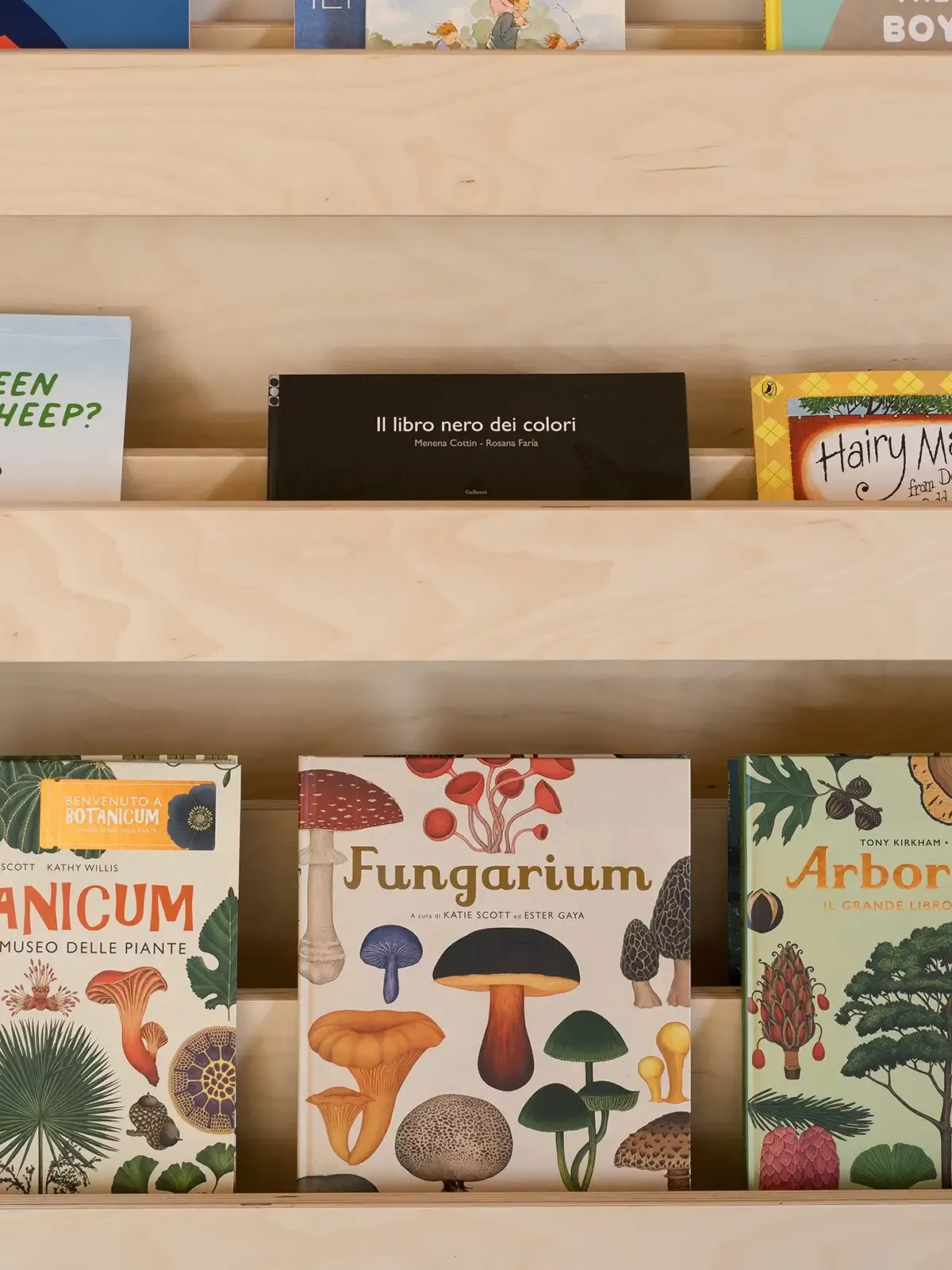
The first stage of language development (from birth to 6 years) is the ideal time for a child to learn a second language naturally without conscious efforts.
At Nautilus, we follow the Montessori method to help children acquire spoken language by associating the words they hear with what they’re doing. This way, they absorb it naturally. The same goes for a second language. Exposing children constantly, deliberately, and systematically to the vocabulary and language used in the classroom allows them to learn almost unconsciously. This way, they will learn to read, write, and count in another language without even noticing.
Outdoor activities
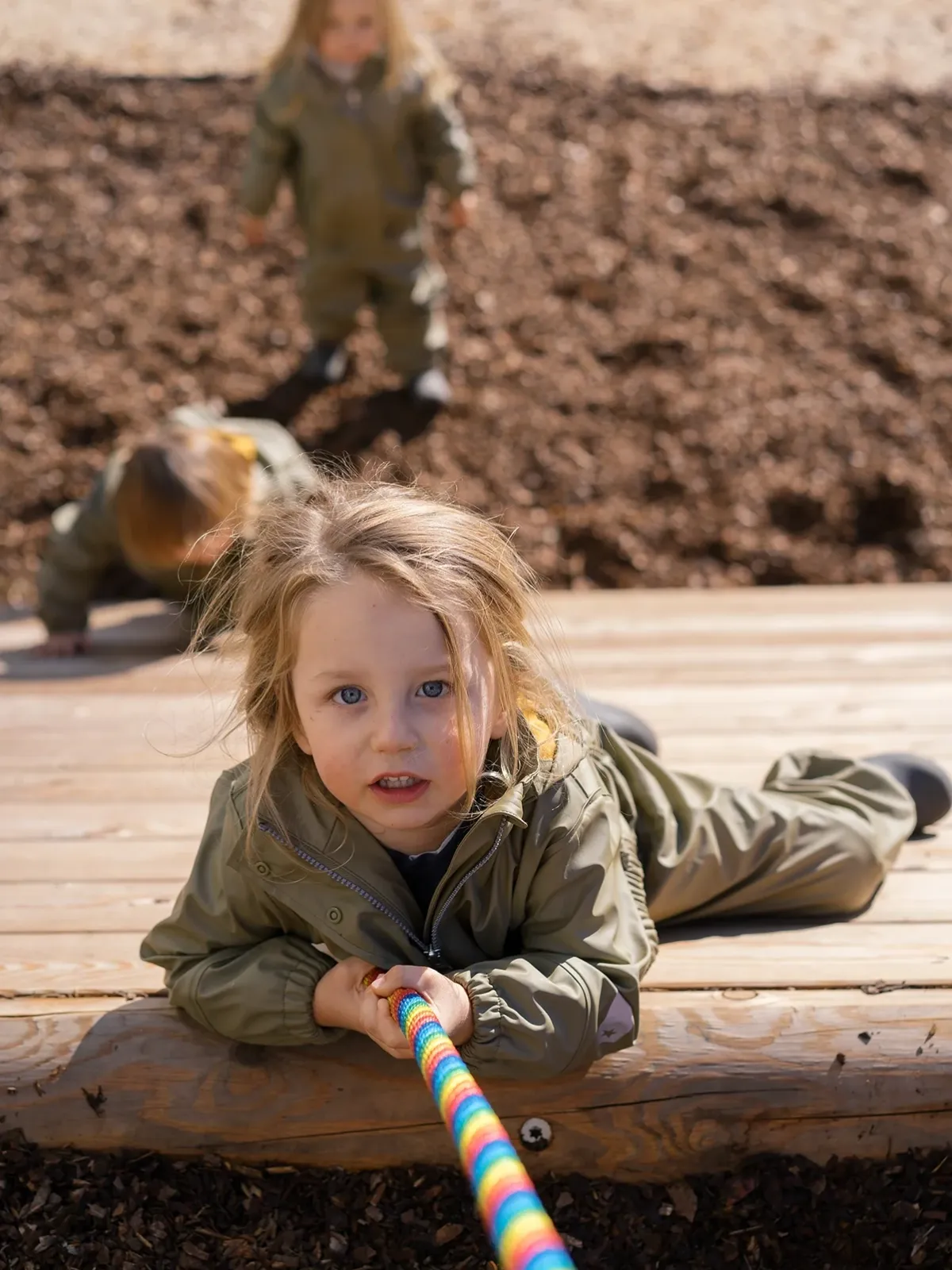
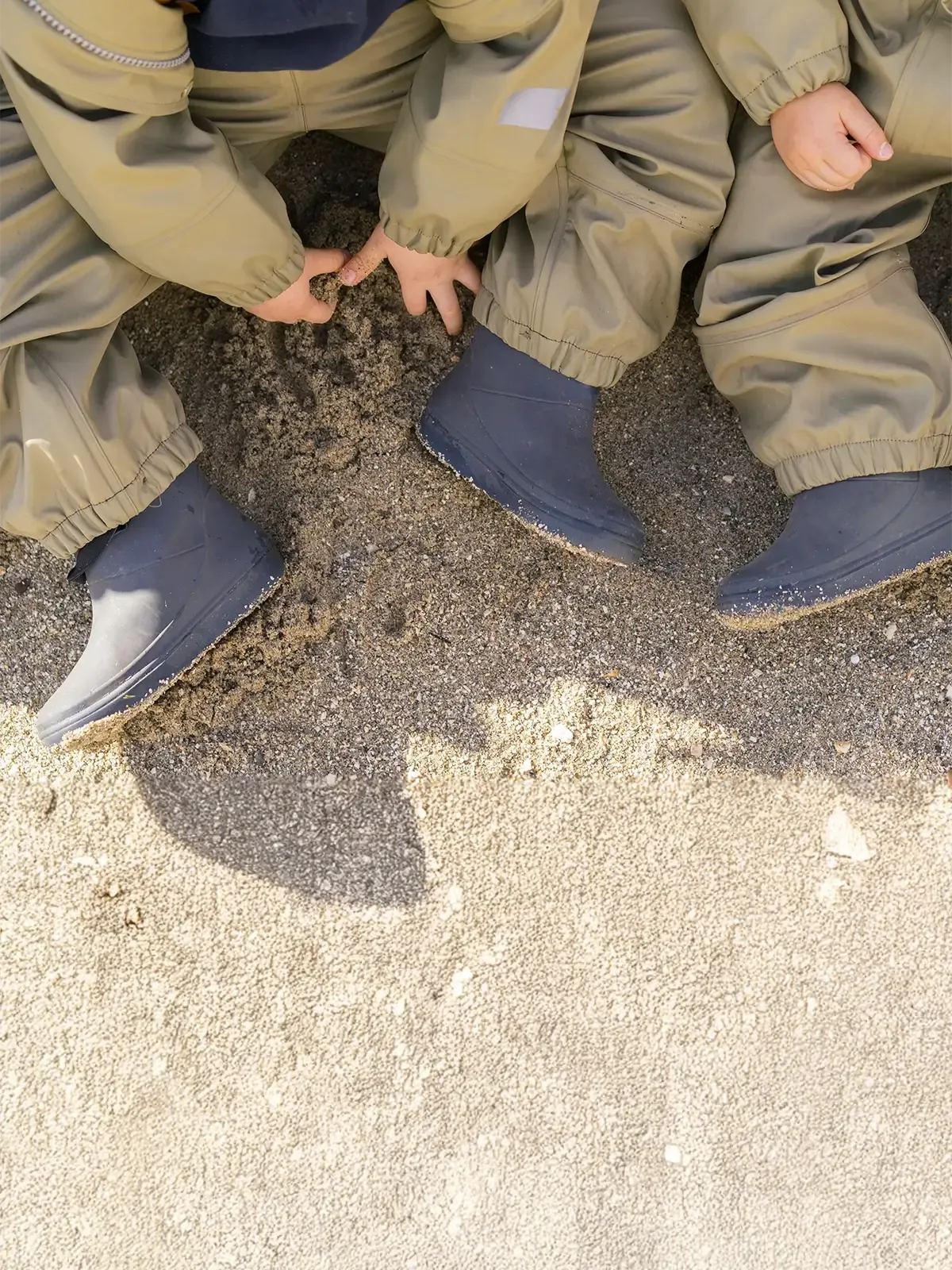
The connection between nature and child development is a key principle of the Montessori method. Maria Montessori believed children needed to spend quality time outdoors to develop their physical, cognitive, emotional, and social skills while discovering nature’s wonders, order, and harmony. At Nautilus, we believe that the outdoors is an extension of our classrooms, where children can learn valuable lessons and develop additional skills. We help and encourage children to:
Physical activity
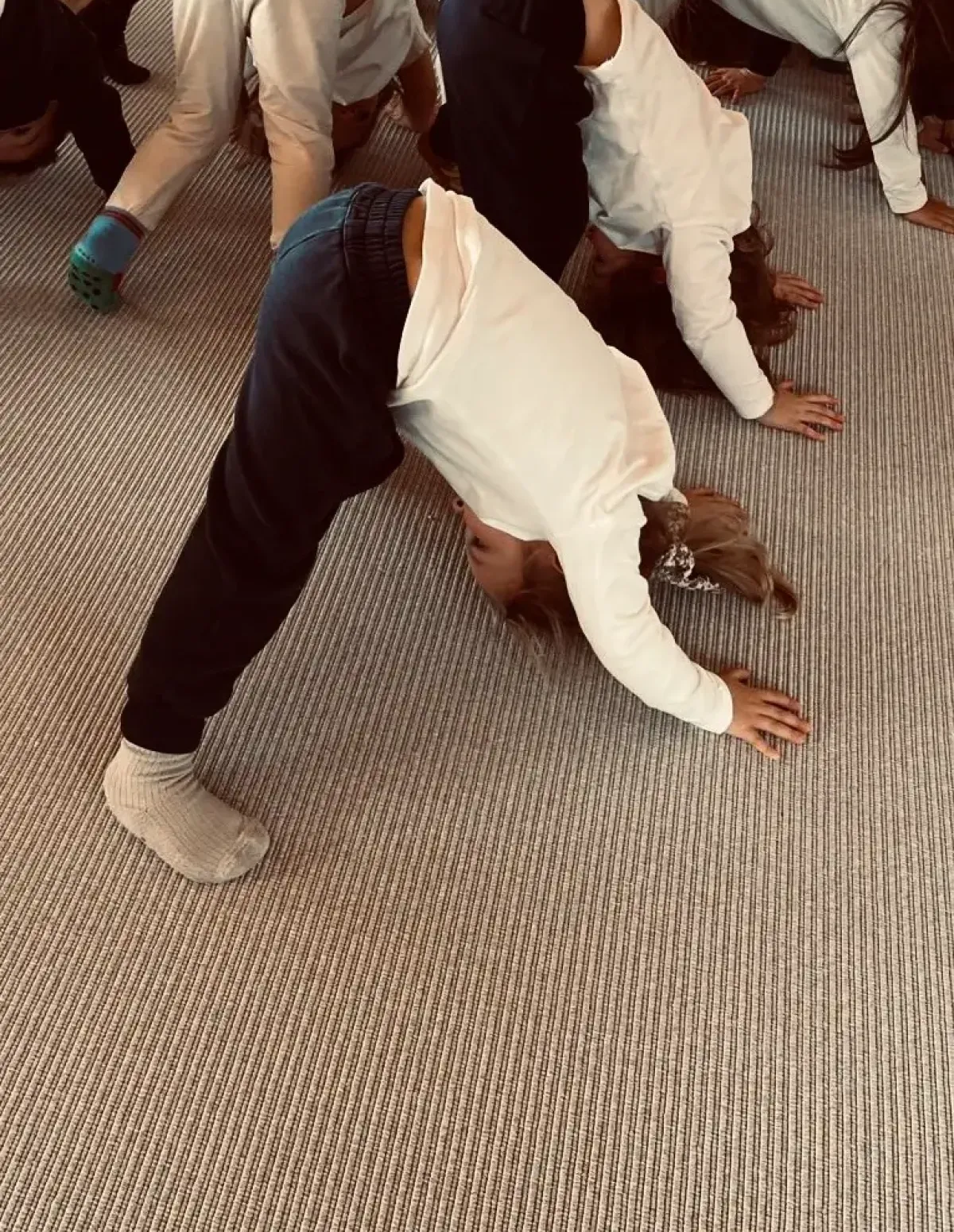
Maria Montessori emphasised movement’s critical role in a child’s physical, cognitive, emotional, and social development and learning process.
She observed that young children are naturally drawn to movement and are curious to explore the environment. She also considered movement as the expression of the will that fosters children’s independence and self-regulation. Allowing children to move around freely and choose their actions can help develop self-discipline, concentration, and self-confidence.
At Nautilus, physical education is an integral part of the environment prepared for children and essential for their health and wellbeing. In particular, we focus on fine motor development – i.e., the deep connection between the hand and the brain in the development of human intelligence – right from the first few months of life. We also focus on activities that improve gross motor skills, which are essential for children aged 0 to 6.
Art and Music
Maria Montessori considered art and music vital for children’s holistic development and joyful learning. Art and music perfectly integrate into our classroom activities, allowing children to express themselves and explore their creativity. This way, they get to hone their motor and cognitive skills through practical activities like sculpting, painting, singing, and playing musical instruments. Nautilus classrooms offer engaging experiences guided by educators who nurture their artistic skills.
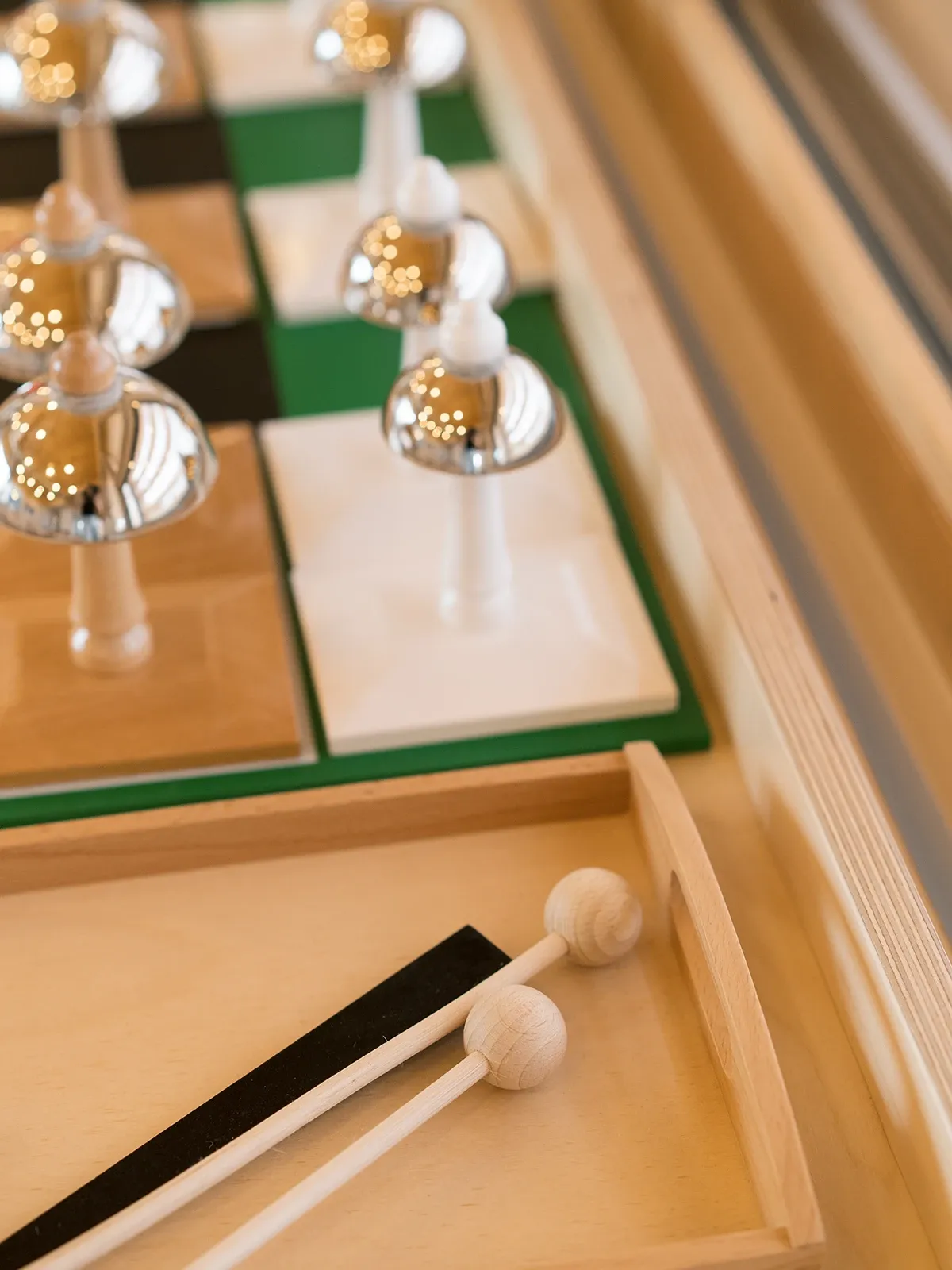
Art activities are just as important in a child’s development in a Montessori classroom. In addition to honing fine motor skills and eye/hand coordination, they allow children to handle objects with more precision and control. Moreover, Montessori art lessons enable children to explore and experiment with a vast array of artist materials and techniques.
Art activities promote children’s self-expression and self-confidence while preparing them indirectly for future lessons. Their artistic creations give children a sense of achievement and allow them to take pride in their skills. They learn to trust their ideas and creative efforts and develop a positive self-image.

