The child is the real teacher
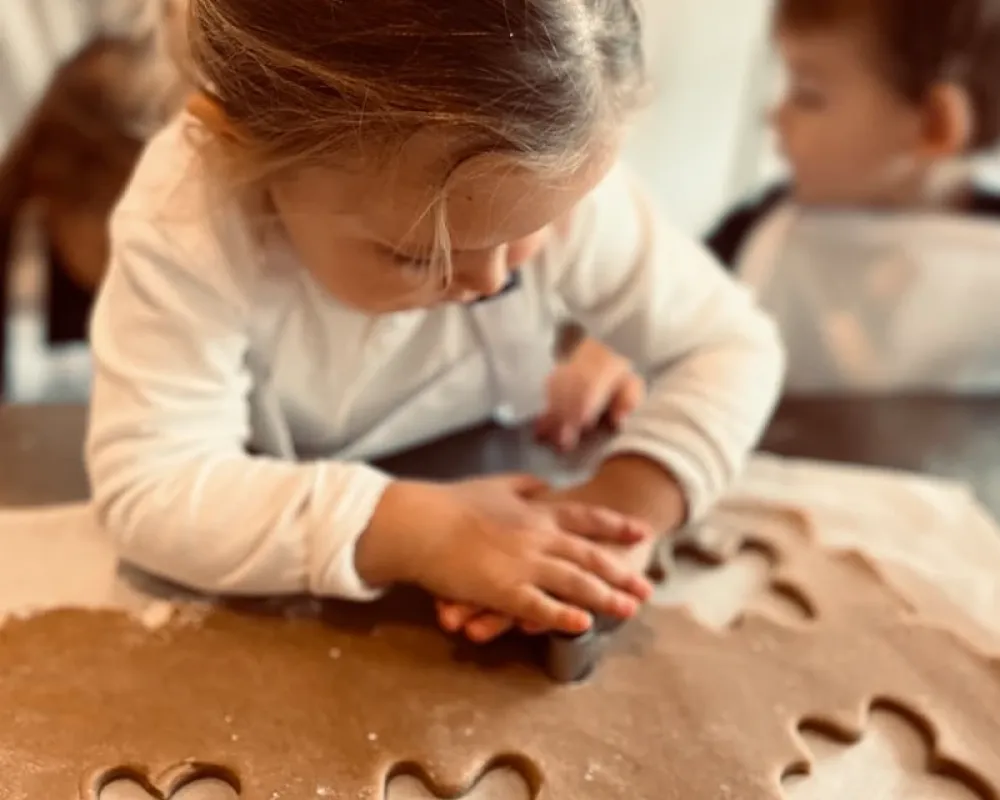
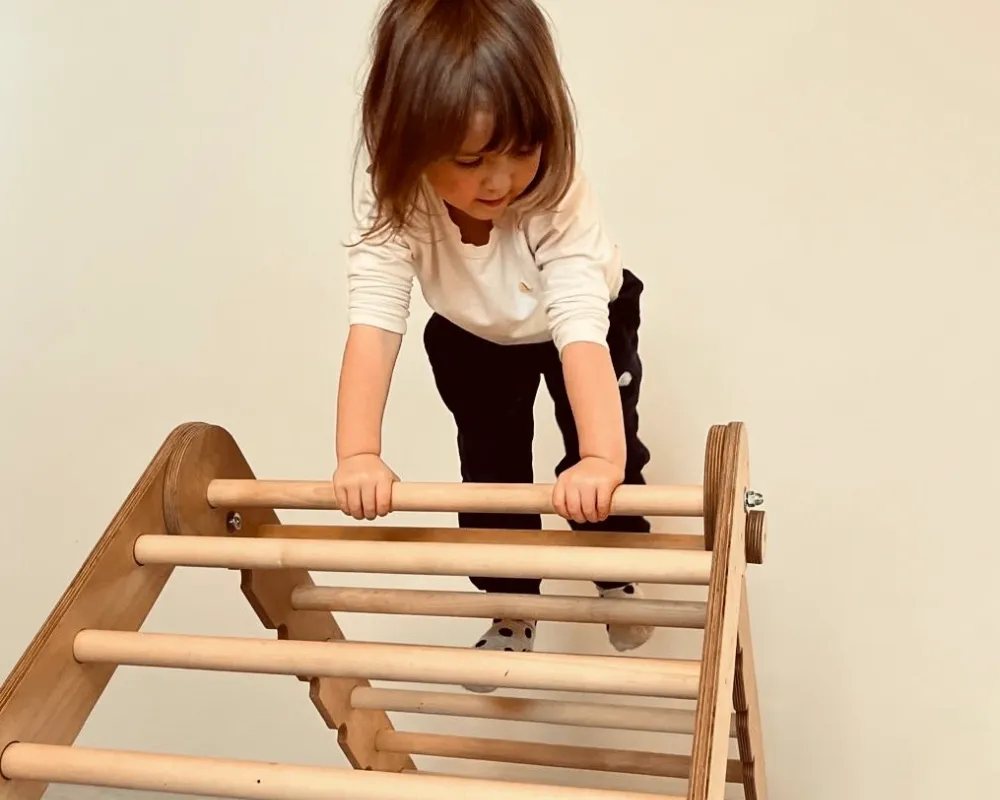
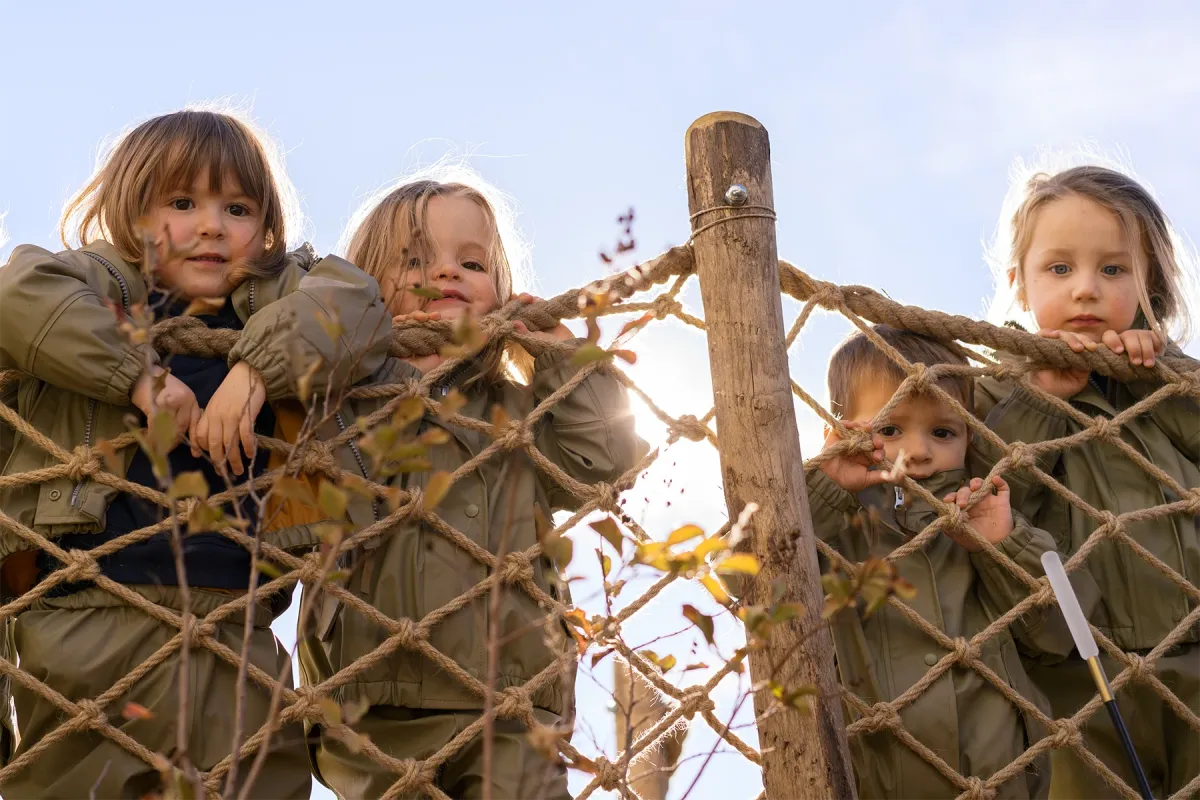
Maria Montessori believed in children’s intrinsic motivation and independence. Children are not passive recipients of information. They are curious, capable individuals who actively engage in their environment, building their knowledge and understanding. They can make their own choices in an atmosphere of mutual trust with adults. It’s the children’s interests that guide their learning.

The prepared environment
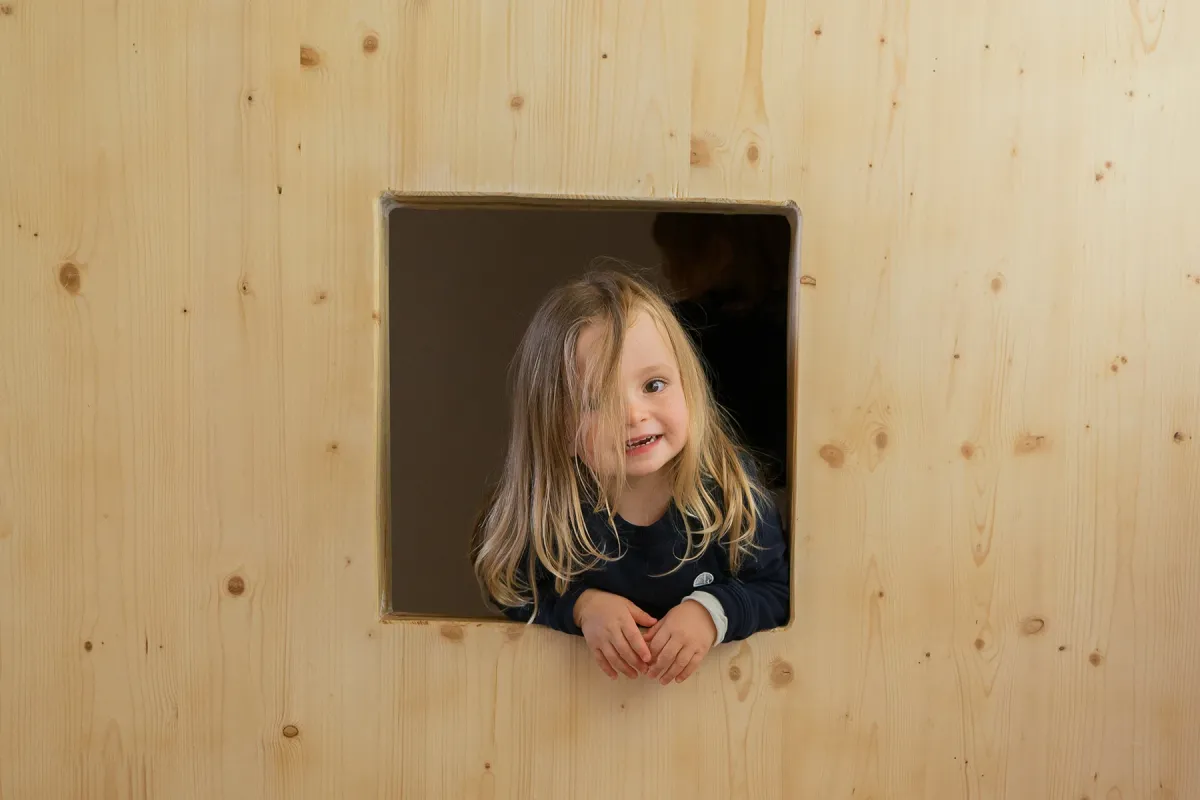
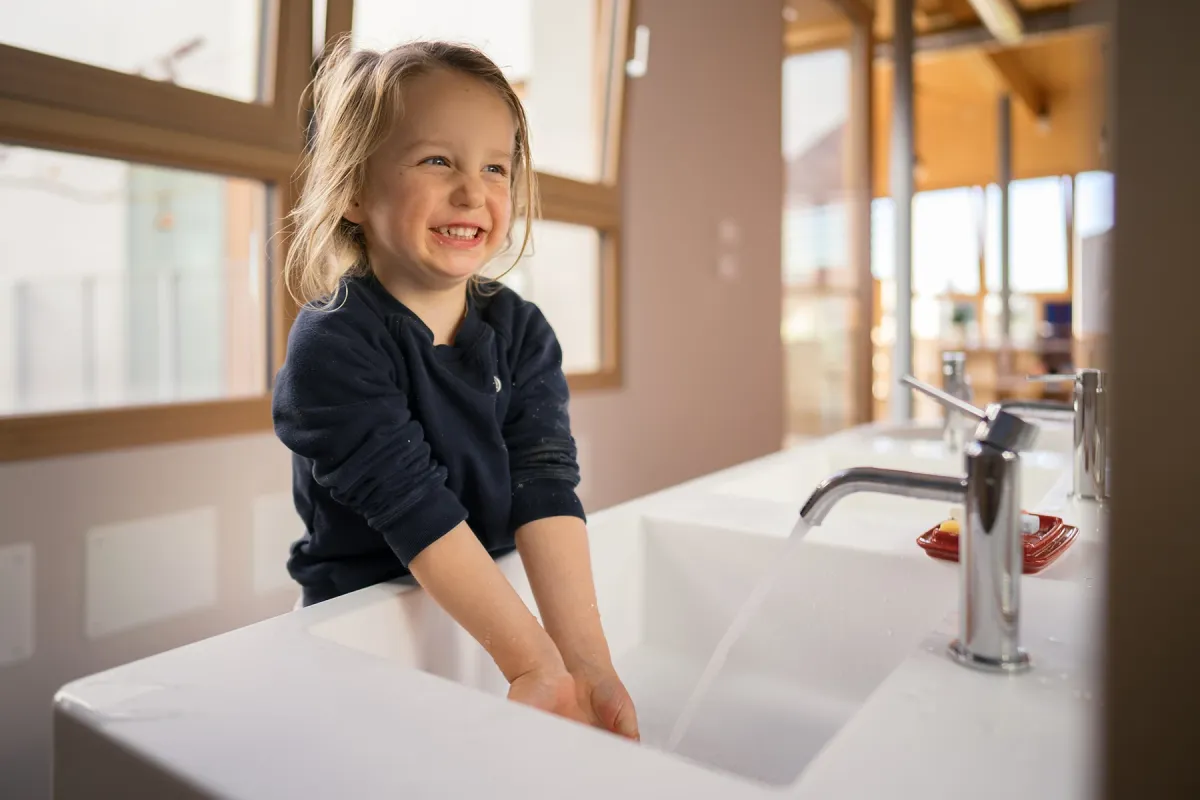
The Montessori approach to education entails a prepared environment – an intentionally calming, natural, and aesthetically pleasing setting – based on the children’s physical and psychological needs and development stage. This helps them build self-confidence and independence while stimulating their curiosity and drive to learn and explore, using their senses and real objects.
The sensitive periods
The Montessori method is based on what she called the sensitive periods. These periods are windows of opportunity during which children are more receptive and inclined to learn and develop in specific areas. This easy, spontaneous learning period is brief and ends when a skill is acquired. Close observation helps identify a child’s interests and learning pace and find the best moment to introduce a new concept or activity.
The Montessori guides
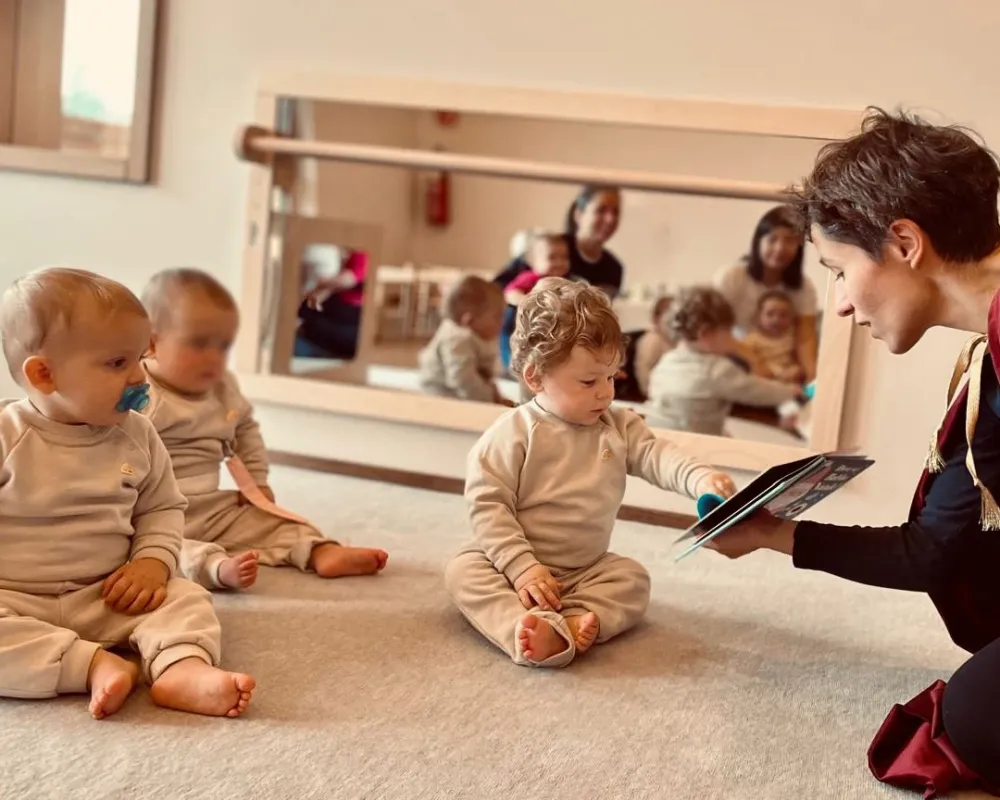
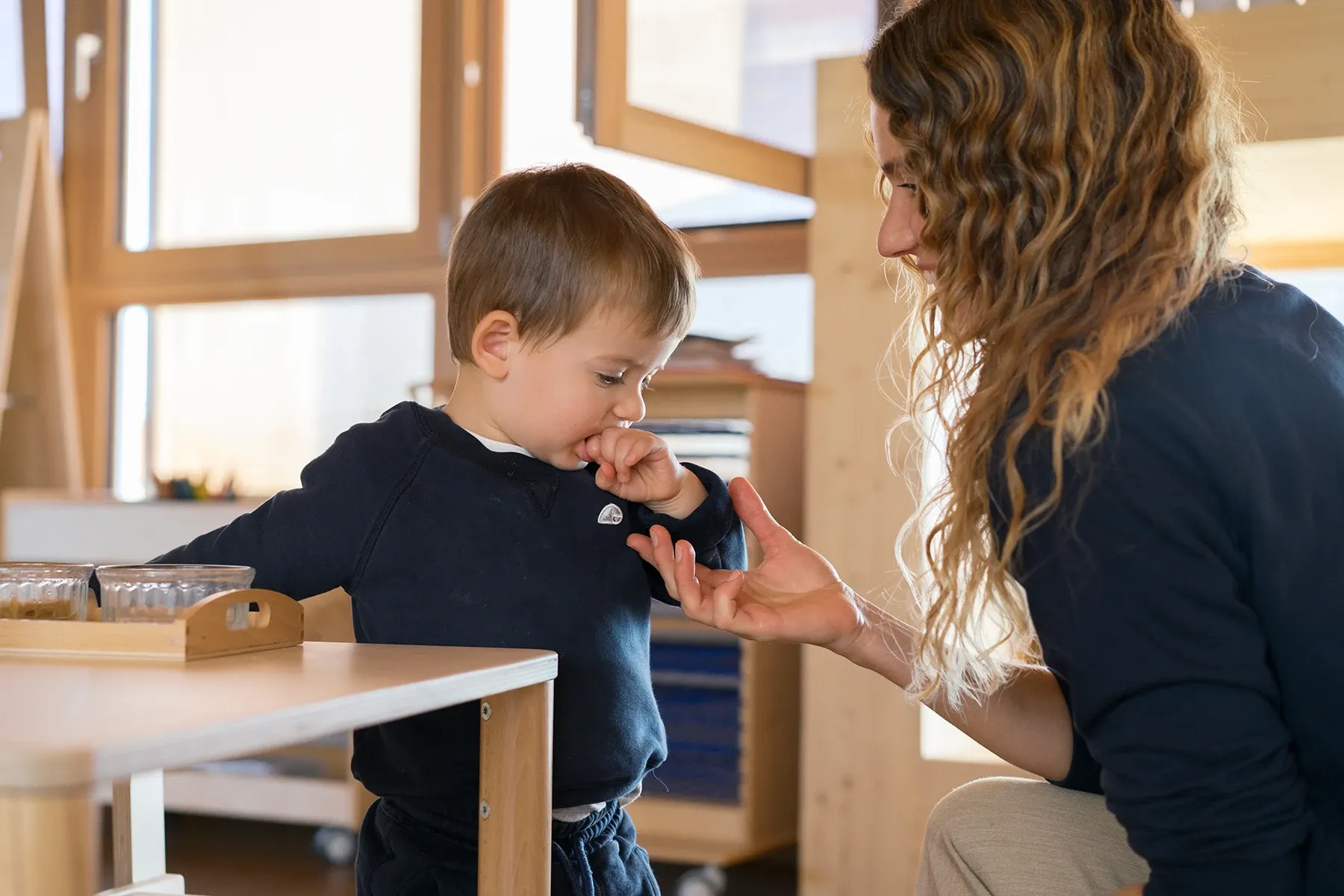
In a Montessori environment, an adult’s role is to reveal every child’s hidden potential. Montessori educators are called guides because they guide children in spontaneous activities, observing their interests and development pace. Guides establish clear boundaries, but children are free to choose whatever they like within those boundaries. This respectful attitude of adults towards children is essential because it makes them feel safe and eager to learn without being afraid of making mistakes.
Montessori materials
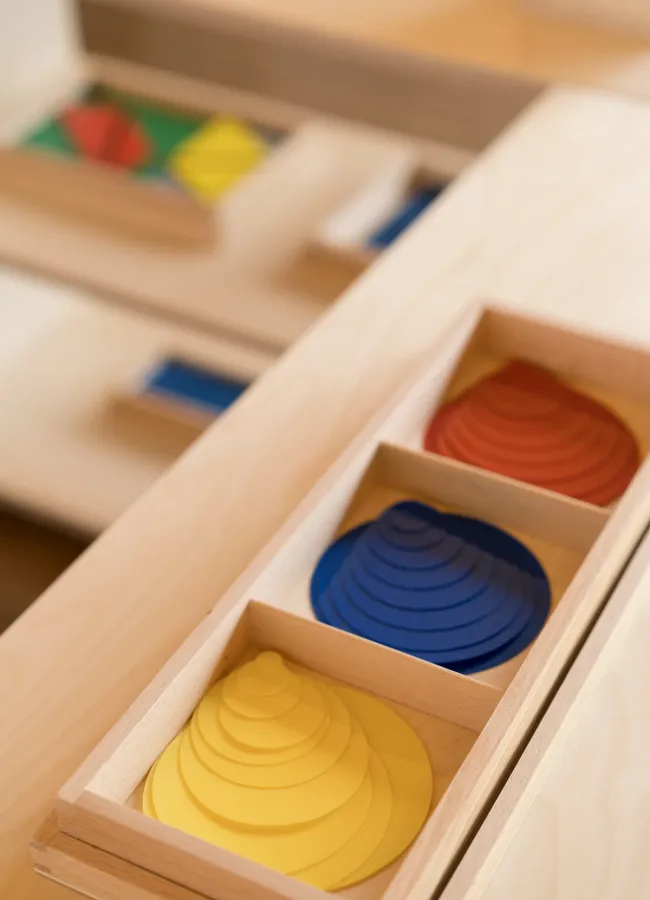
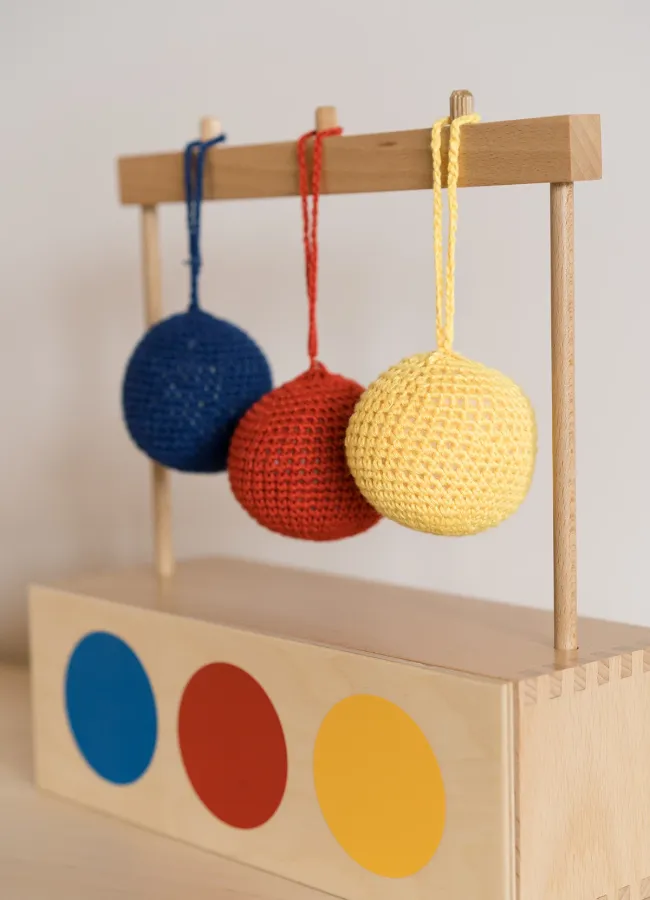
Montessori materials are often described as an “aid to life”. This vision is based on the idea that children are naturally active learners. That’s why all materials are sensory, concrete, and manipulable and meet their needs in the various development stages. These materials allow children to discover the characteristics of the surrounding environment and learn concepts and properties that are carefully selected to encourage independence and self-correction.